

Fall of the Western Roman Empire
376 CE – 476 CE · 100 years
A century of invasions, civil wars, and collapse — from the Gothic crossing of the Danube to the deposition of the last Western emperor in 476 AD.
Wikipedia
The opening of the article, and a way into the rest of it without leaving the site.
Fall of the Western Roman Empire on Wikipedia.
From Wikipedia, available under CC BY-SA 4.0.
Belligerents
The main peoples, kingdoms and states involved.
- Western Roman Empire
- Various Germanic tribes
- Huns
Key moments
Defining events in the Fall of the Western Roman Empire.
- 378 Adrianople
- 410 Sack of Rome
- 451 Catalaunian Plains
- 476 Fall of Ravenna
Elsewhere in Europe at the time
Records whose own span overlaps this one, found by the same test the canvas draws with. The bar under each card is where it sits inside this one.

Landmark · Europe
Statue of Zeus at Olympia
435 BCE – 426 CE
Polity · Europe
Byzantine Empire
395 CE – 1453 CE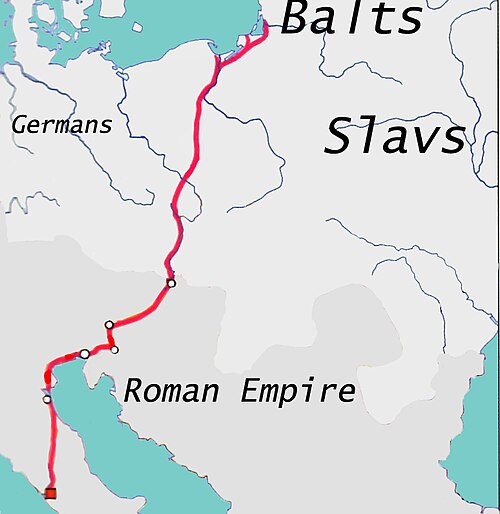
Trade route · Europe
Amber Road
1000 BCE – 400 CEConflict · Europe
Hunnic Invasions of Europe
370 CE – 454 CELandmark · Europe
Olympia
776 BCE – 393 CE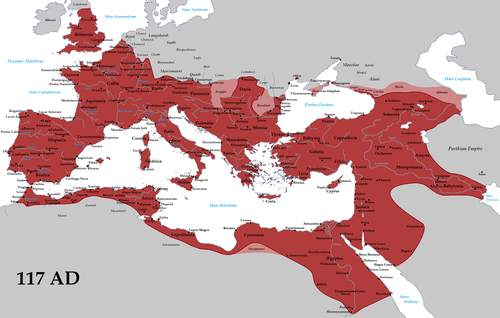
Polity · Europe
Roman Empire
26 BCE – 395 CETrade route · Europe
Roman Northern Trade
27 BCE – 410 CE
Landmark · Europe
Plitvice Lakes
3000 BCE – still standingDated moments inside this span
Events the timeline places between 376 CE and 476 CE.
And in the rest of the world
Records running through the same years, on the other side of the map.
Image credits6 pictures from Wikimedia Commons
- Fall of the Western Roman EmpireRoke ( d ) · CC BY-SA 3.0
- Statue of Zeus at OlympiaQuatremère de Quincy · Public domain
- Eastern Roman Empire 565 CEMnohohrishnyi · CC0
- Amber RoadBearas · CC BY-SA 3.0
- Roman EmpireTataryn · CC BY-SA 3.0
- Plitvice Lakes National ParkZysko serhii · CC BY-SA 4.0


