
Landmark wonder
Kolsai Lakes
3000 BCE – still standing
Chain of three alpine lakes nestled in the Tian Shan mountains of southeastern Kazakhstan
Who held this ground
Borders from dated snapshots, up to a century apart; precision varies.
Reconstruction
- No border recorded here in this snapshot (3000 BCE–2000 BCE)
- Karasuk culture (1500 BCE–700 BCE) Border precision: Approximate
- No border recorded here in this snapshot (500 BCE–300 BCE)
- Scythians (200 BCE) Border precision: Approximate
- Sakas (100 BCE) Border precision: Approximate
- No border recorded here in this snapshot (1 BCE–600 CE)
- Germanic and Slavic tribes (700 CE) Border precision: Approximate
- No border recorded here in this snapshot (800 CE)
- Karluks (900 CE) Border precision: Approximate
- No border recorded here in this snapshot (1000 CE)
- Cuman-Kipchak confederation (1100 CE) Border precision: Approximate
- Kara Khitai Khaganate (1200 CE) Border precision: Approximate
- Chagatai Khanate (1279 CE–1500 CE) Border precision: Approximate
- Kazakh Khanate (1530 CE) Border precision: Approximate
- central Asian khanates (1600 CE–1715 CE) Border precision: Approximate
- Qing Empire (1783 CE–1800 CE) Border precision: Not stated
- central Asian khanates (1815 CE) Border precision: Defined
- Russian Empire (1880 CE–1914 CE) Border precision: Defined
- Russian SFSR (1920 CE) Border precision: Defined
- USSR (1930 CE–1960 CE) Border precision: Defined
- Kazakhstan (1994 CE–2026 CE) Border precision: Defined
Border precision
- Defined
- Approximate
- Not stated
Running at the same time
Records whose own span overlaps this one, found by the same test the canvas draws with. The bar under each card is where it sits inside this one.
Polity
central Asian khanates
Attested 1530 CE – 1900 CE
Landmark
Mogao Caves
366 CE – still standing
Figure · Mesopotamia
Sargon of Akkad
2334 BCE – 2279 BCETrade route
Silk Road Southern Branch
200 BCE – 1450 CE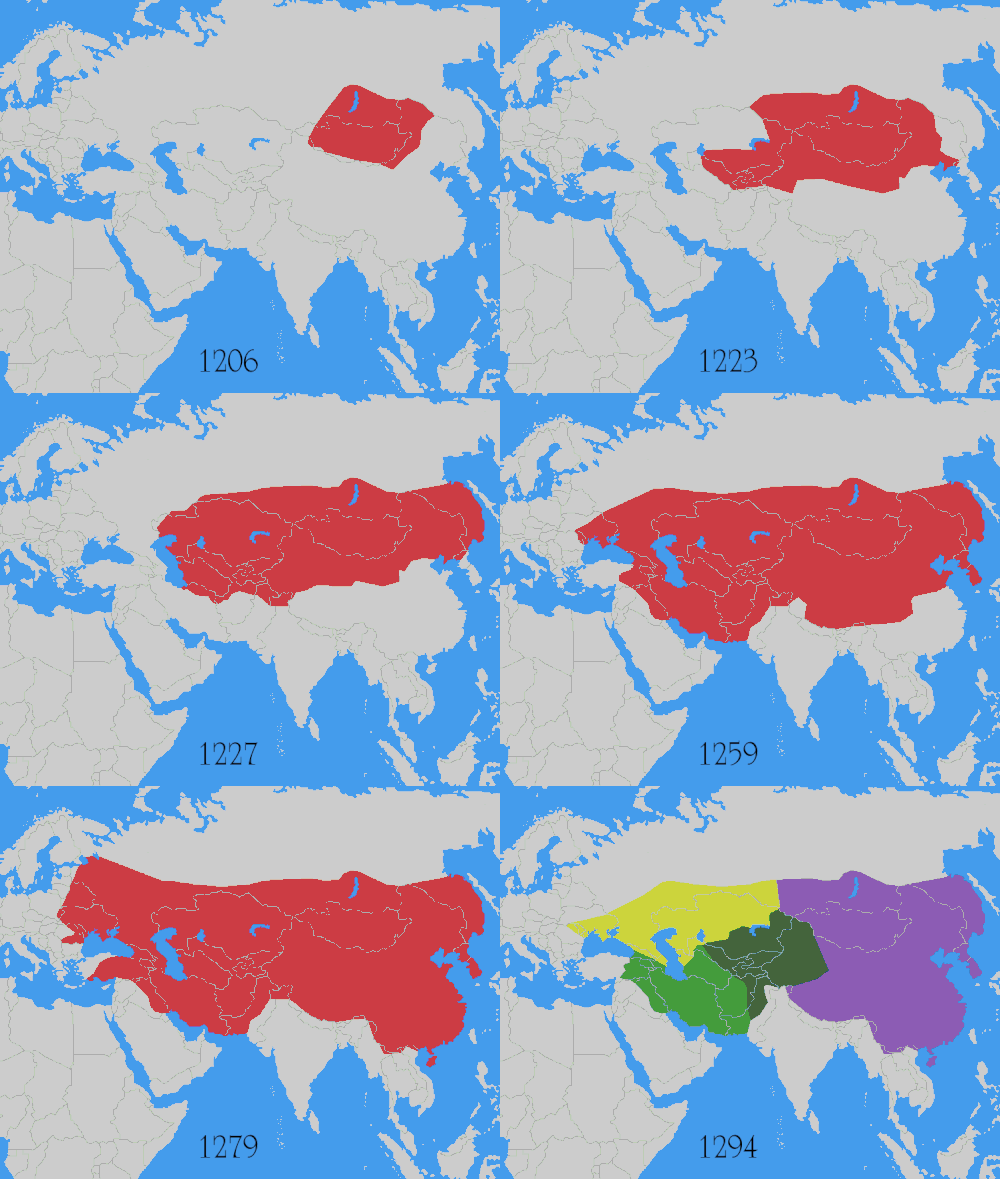
Conflict
Mongol Conquests
1206 CE – 1368 CE
Polity
Srivijaya Empire
650 CE – 1400 CE
Landmark
Mausoleum of Khoja Ahmed Yasawi
1389 CE – still standing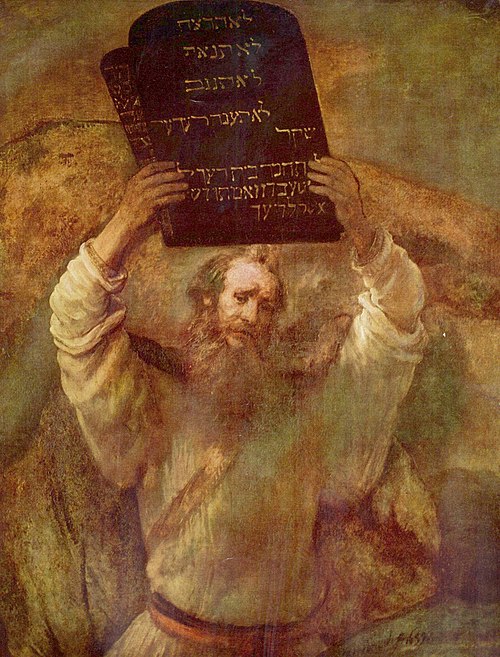
Figure · Egypt / Sinai / Canaan
Moses
1391 BCE – 1271 BCEDated moments inside this span
Events the timeline places between 3000 BCE and 2026 CE.
And in the rest of the world
Records running through the same years, on the other side of the map.
Image credits 6 pictures from Wikimedia Commons
- Mogao Caves xiquinhosilva · CC BY 2.0
- Sargon of Akkad ALFGRN · CC BY-SA 2.0
- Mongol conquests User:Astrokey44 · CC BY-SA 3.0
- Srivijaya Empire Gunawan Kartapranata · CC BY-SA 3.0
- Mausoleum of Khoja Ahmed Yasawi Petar Milošević · CC BY-SA 3.0
- Moses Rembrandt · Public domain


