
Mughal Conquests of India
1526 CE – 1707 CE · 181 years
Babur's victory at Panipat in 1526 founded the Mughal Empire, which expanded over two centuries to control nearly all of the Indian subcontinent — one of the most populous and wealthiest empires in history.
Belligerents
The main peoples, kingdoms and states involved.
- Mughal Empire
- Delhi Sultanate, Rajputs, Deccan Sultanates & Marathas
Key moments
Defining events in the Mughal Conquests of India.
- 1526 First Battle of Panipat
- 1527 Battle of Khanwa
- 1556 Second Battle of Panipat
- 1568 Siege of Chittorgarh
Elsewhere in South Asia at the time
Records whose own span overlaps this one, found by the same test the canvas draws with. The bar under each card is where it sits inside this one.
.jpeg/500px-Taj_Mahal_(Edited).jpeg)
Landmark · South Asia
Taj Mahal
1632 CE – still standing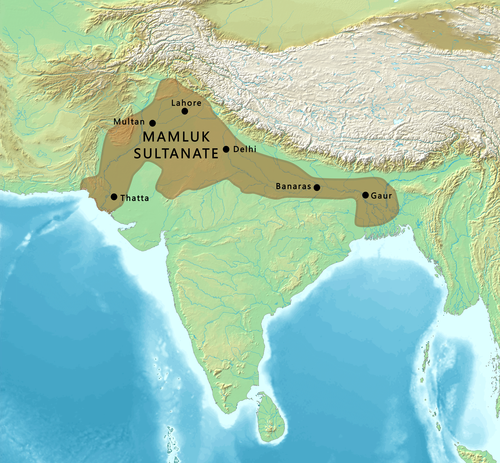
Polity · South Asia
Sultanate of Delhi
1200 CE – 1526 CE
Conflict · South Asia
Mughal-Rajput Wars
1557 CE – 1707 CE_(cropped).jpg/500px-Wide_angle_of_Galigopuram_of_Virupaksha_Temple%2C_Hampi_(04)_(cropped).jpg)
Landmark · South Asia
Hampi
1336 CE – 1565 CEPolity · South Asia
Islamic and Hindu states
Attested 1530 CE – 1650 CEConflict · South Asia
Mughal–Deccan Wars
1595 CE – 1707 CE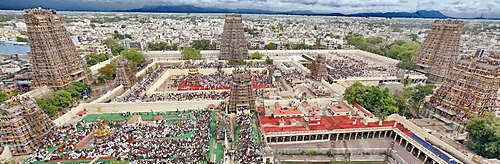
Landmark · South Asia
Meenakshi Temple
1600 CE – still standing
Polity · South Asia
Ceylon
Attested 1650 CE – 1938 CEDated moments inside this span
Events the timeline places between 1526 CE and 1707 CE.
And in the rest of the world
Records running through the same years, on the other side of the map.
Image credits6 pictures from Wikimedia Commons
- Taj MahalYann; edited by Jim Carter · CC BY-SA 4.0
- Delhi SultanateMaps created from DEMIS Mapserver, which are public domain. Koba-chan Territorial area: प… · CC BY-SA 3.0
- Mughal–Rajput wars"Mirza 'Abd al-Rahim, Khan-i khanan (Mirza 'Abd al-Rahim, Khan-i khanan)" · Public domain
- HampiiMahesh · CC BY-SA 4.0
- Meenakshi Templeஎஸ்ஸார் · CC BY 3.0
- Flag of Sri LankaOriginal: Sri Lanka Vectorization: Zscout370, Mike Rohsopht · Public domain
.jpeg)


_(cropped).jpg)

