

Lusatian culture
1300 BCE – 500 BCE · 800 years
Archaeological culture of Central Europe
Wikipedia
The opening of the article, and a way into the rest of it without leaving the site.
Lusatian culture on Wikipedia.
From Wikipedia, available under CC BY-SA 4.0.
How these dates were made
Real dates from Wikidata, checked against the atlas.
These are real dates: Lusatian culture's founding and dissolution are recorded in Wikidata, and accepted here only because they agree with the centuries the atlas independently drew it in. The atlas itself draws the world at one moment in time, not continuously. The strip below covers those snapshots — 700 BCE to 700 BCE — which sits inside the fuller span above.
Elsewhere in Europe at the time
Records whose own span overlaps this one, found by the same test the canvas draws with. The bar under each card is where it sits inside this one.
.jpg/500px-Philips_Galle%2C_Dianatemplet_i_Efesos%2C_1572%2C_KKSgb10001-5%2C_Statens_Museum_for_Kunst_(cropped).jpg)
Landmark · Europe
Temple of Artemis at Ephesus
550 BCE – 262 CE
Polity · Europe
Celts
Founded 1200 BCE · attested to 100 BCEConflict · Europe
Sargonid Assyrian Conquests
745 BCE – 631 BCE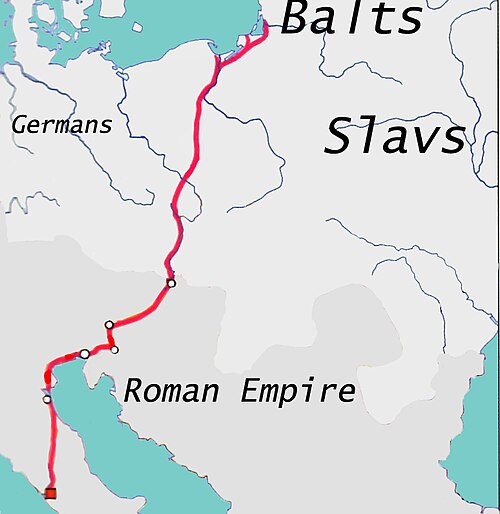
Trade route · Europe
Amber Road
1000 BCE – 400 CE
Landmark · Europe
Ephesus
1000 BCE – still standing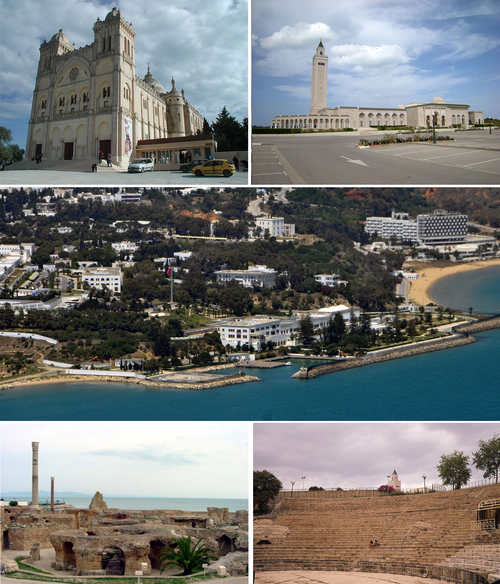
Polity · Europe
Carthaginian Empire
801 BCE – 145 BCEConflict · Europe
Cimmerian & Scythian Invasions
720 BCE – 650 BCELandmark · Europe
Carthage
814 BCE – still standingDated moments inside this span
Events the timeline places between 1300 BCE and 500 BCE.
And in the rest of the world
Records running through the same years, on the other side of the map.
Image credits6 pictures from Wikimedia Commons
- Lusatian culturePalkin · CC BY 2.5
- Temple of ArtemisPhilip Galle · Public domain
- CeltsQuartierLatin1968,The Ogre,Dbachmann · CC BY-SA 3.0
- Amber RoadBearas · CC BY-SA 3.0
- EphesusBenh LIEU SONG · CC BY-SA 3.0
- CarthageELEL09, montage · CC BY-SA 3.0

.jpg)


