

Wikipedia
The opening of the article, and a way into the rest of it without leaving the site.
Karasuk culture on Wikipedia.
From Wikipedia, available under CC BY-SA 4.0.
How these dates were made
Real dates from Wikidata, checked against the atlas.
These are real dates: Karasuk culture's founding and dissolution are recorded in Wikidata, and accepted here only because they agree with the centuries the atlas independently drew it in. The atlas itself draws the world at 3 moments in time, not continuously. The strip below covers those snapshots — 1500 BCE to 700 BCE — which sits inside the fuller span above.
Running at the same time
Records whose own span overlaps this one, found by the same test the canvas draws with. The bar under each card is where it sits inside this one.

Landmark
Charyn Canyon
3000 BCE – still standingPolity
Finno-Ugric taiga hunter-gatherers
Attested 2000 BCE – 1200 CE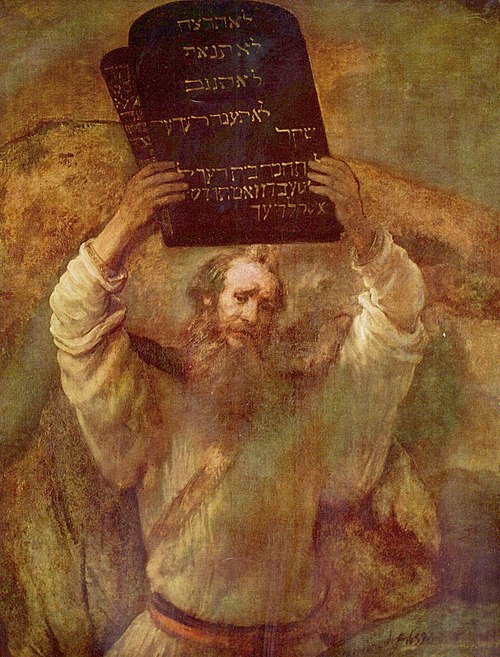
Figure · Egypt / Sinai / Canaan
Moses
1391 BCE – 1271 BCE
Landmark
Lake Issyk-Kul
3000 BCE – still standing
Figure · Egypt
Nefertiti
1370 BCE – 1330 BCE.jpg/500px-%D0%9B%D0%B5%D0%B4%D0%BD%D0%B8%D0%BA_%D0%A1%D0%BE%D0%B2%D0%B5%D1%82%D1%81%D0%BA%D0%B8%D1%85_%D0%BE%D1%84%D0%B8%D1%86%D0%B5%D1%80%D0%BE%D0%B2_%D1%8E%D0%B6%D0%BD._-_panoramio_(3).jpg)
Landmark
Pamir Mountains
3000 BCE – still standing
Figure · Israel / Judah
King David
1040 BCE – 970 BCELandmark
Kolsai Lakes
3000 BCE – still standingDated moments inside this span
Events the timeline places between 1500 BCE and 700 BCE.
And in the rest of the world
Records running through the same years, on the other side of the map.
Image credits7 pictures from Wikimedia Commons
- Karasuk cultureKrakkos · CC BY-SA 4.0
- Charyn CanyonBgag · CC0
- MosesRembrandt · Public domain
- Issyk-KulҚайырқан Әсем · CC BY-SA 4.0
- NefertitiPhilip Pikart · CC BY-SA 3.0
- Pamir MountainsAmanovDmitry · CC BY 3.0
- DavidGerard van Honthorst · Public domain


.jpg)
