
Hegra (Mada'in Salih)
100 BCE – 106 CE · 206 years
Nabataean rock-cut tombs in the Arabian desert, the southern sister city of Petra in Saudi Arabia
Wikipedia
The opening of the article, and a way into the rest of it without leaving the site.
Hegra on Wikipedia.
From Wikipedia, available under CC BY-SA 4.0.
Who held this ground
Borders from dated snapshots, up to a century apart; precision varies.
Reconstruction
- Before it was built (3000 BCE–200 BCE)
- Nabatean Kingdom (100 BCE) Border precision: Approximate
- No border recorded here in this snapshot (1 BCE–700 CE)
- Abbasid Caliphate (800 CE–900 CE) Border precision: Approximate
- Fatimid Caliphate (1000 CE–1100 CE) Border precision: Approximate
- Ayyubid Sultanate (1200 CE) Border precision: Approximate
- Mamluk Sultanate (1279 CE–1500 CE) Border precision: Approximate
- No border recorded here in this snapshot (1530 CE–1815 CE)
- Ottoman Empire (1880 CE–1914 CE) Border precision: Defined
- Hejaz (1920 CE) Border precision: Defined
- Kingdom of Hejaz and Nejd (1930 CE) Border precision: Defined
- Saudi Arabia (1938 CE–2026 CE) Border precision: Defined
- Defined
- Approximate
Elsewhere in Middle East at the time
Records whose own span overlaps this one, found by the same test the canvas draws with. The bar under each card is where it sits inside this one.

Landmark · Middle East
Abydos
5000 BCE – 30 BCEPolity · Middle East
Saba
Attested 1500 BCE – 100 BCETrade route · Middle East
Nile River Trade
3000 BCE – 30 BCEConflict · Middle East
Roman–Parthian Wars
53 BCE – 217 CE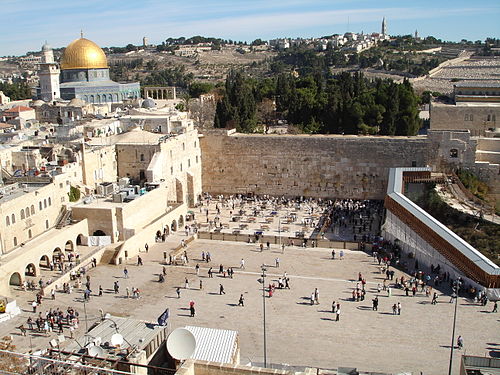
Landmark · Middle East
Western Wall
19 BCE – still standing
Polity · Middle East
Seleucid Kingdom
311 BCE – 62 BCETrade route · Middle East
Egyptian Red Sea Trade
2500 BCE – 30 BCE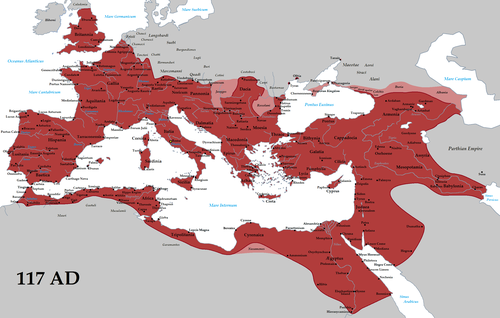
Conflict · Middle East
Jewish–Roman Wars
66 CE – 135 CEDated moments inside this span
Events the timeline places between 100 BCE and 106 CE.
And in the rest of the world
Records running through the same years, on the other side of the map.
Image credits 4 pictures from Wikimedia Commons
- Abydos (Hellespont) Marie-Lan Nguyen (2010) · CC BY 2.5
- Western Wall Golasso · CC BY-SA 4.0
- Seleucid Empire Hartmann Linge · CC BY-SA 4.0
- Jewish–Roman wars Tataryn · CC BY-SA 3.0


