

Civil Wars of the Tetrarchy
306 CE – 324 CE · 18 years
After Diocletian's abdication, his Tetrarchic system collapsed. Constantine gradually defeated all rivals, winning the Battle of the Milvian Bridge in 312 AD before his reported Christian vision, and became sole emperor in 324.
Wikipedia
The opening of the article, and a way into the rest of it without leaving the site.
Civil wars of the Tetrarchy on Wikipedia.
From Wikipedia, available under CC BY-SA 4.0.
Belligerents
The main peoples, kingdoms and states involved.
- Constantine I
- Maxentius, Licinius & rival emperors
Key moments
Defining events in the Civil Wars of the Tetrarchy.
- 312 Battle of the Milvian Bridge
- 324 Battle of Adrianople
- 324 Battle of Chrysopolis
Elsewhere in Europe at the time
Records whose own span overlaps this one, found by the same test the canvas draws with. The bar under each card is where it sits inside this one.

Landmark · Europe
Plitvice Lakes
3000 BCE – still standing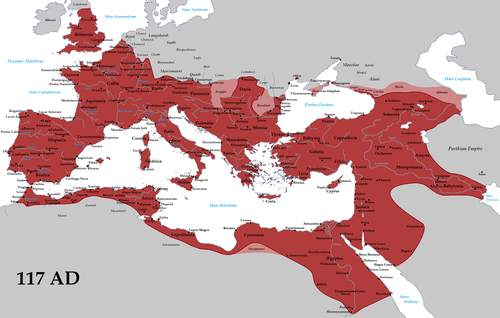
Polity · Europe
Roman Empire
26 BCE – 395 CE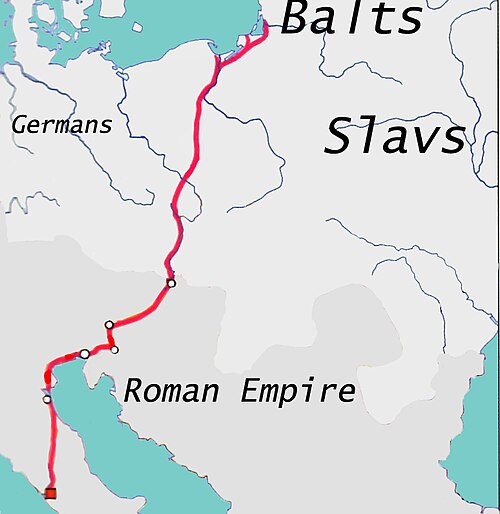
Trade route · Europe
Amber Road
1000 BCE – 400 CE
Landmark · Europe
Giant's Causeway
3000 BCE – still standingPolity · Europe
Saami
Attested 1500 BCE – 700 CETrade route · Europe
Roman Mediterranean Trade
27 BCE – 476 CE
Landmark · Europe
Danube Delta
3000 BCE – still standing
Polity · Europe
Armenia
Attested 323 BCE – 2026 CEAnd in the rest of the world
Records running through the same years, on the other side of the map.
Image credits7 pictures from Wikimedia Commons
- Civil wars of the TetrarchySchool of Raphael · Public domain
- Plitvice Lakes National ParkZysko serhii · CC BY-SA 4.0
- Roman EmpireTataryn · CC BY-SA 3.0
- Amber RoadBearas · CC BY-SA 3.0
- Giant's Causewaycode poet on flickr. · CC BY-SA 2.0
- Danube DeltaEuropean Space Agency · Attribution
- Flag of ArmeniaOriginal: Stepan Malkhasyants Vector: SKopp · Public domain


